

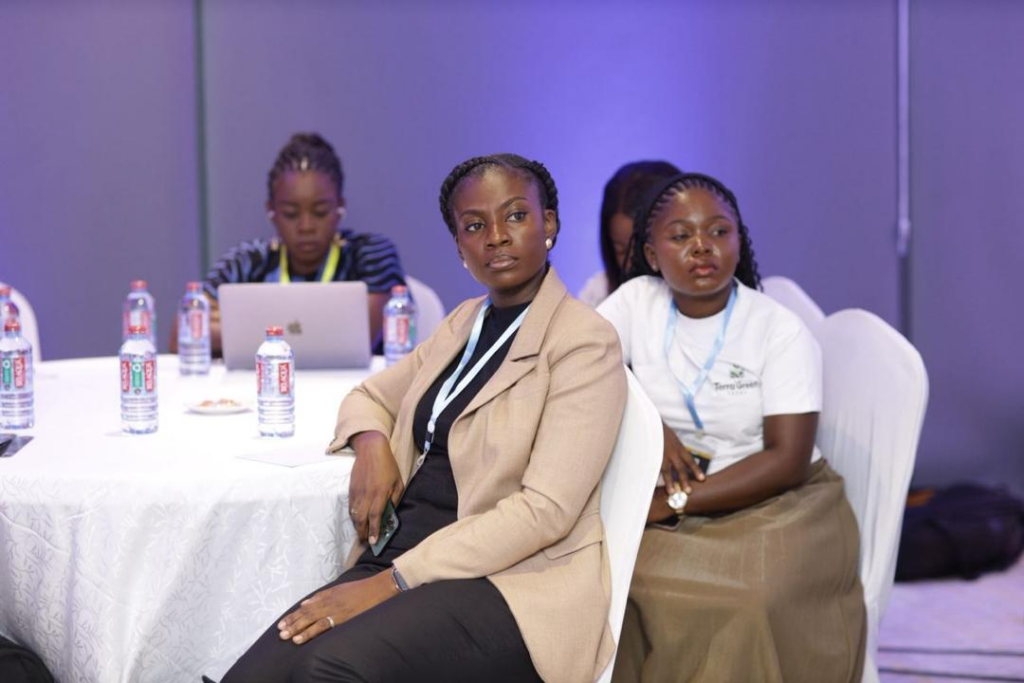
Ghana’s small and medium enterprises (SMEs), particularly those in the agrifood and nutrition sectors, are pushing for stronger investor partnerships and improved access to financing as stakeholders gather for the SME Investment Forum under the theme “Scaling Impact in Ghana’s Agri-Food Sector.”
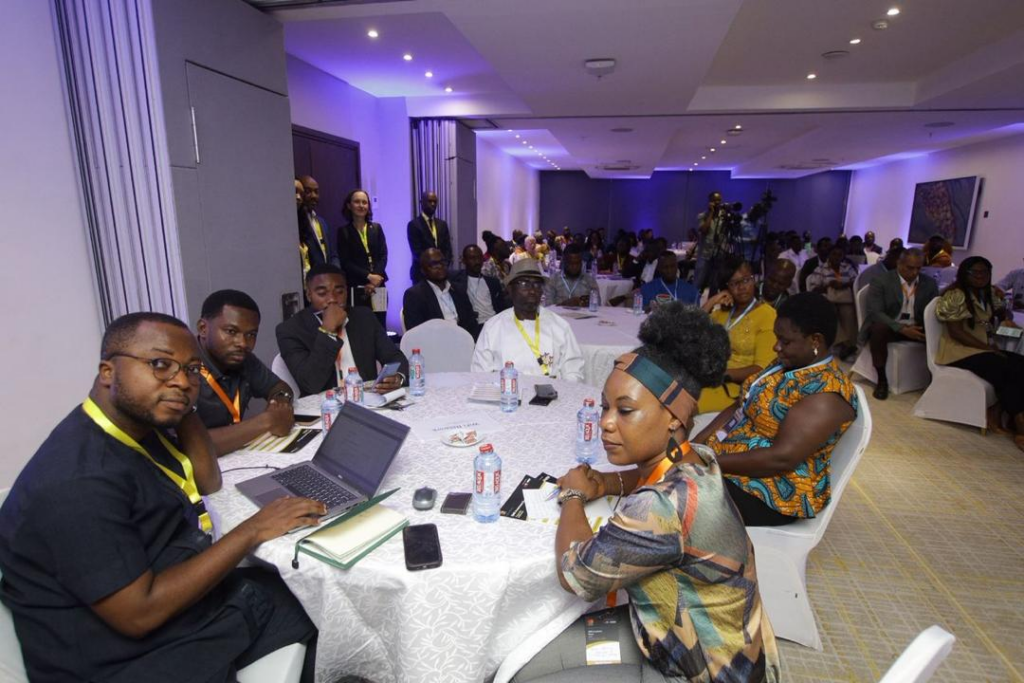
The forum, organised under the Nkabom Collaborative in partnership with the Mastercard Foundation, the Association of Ghana Industries and Densu Associates, aims to bridge the long-standing financing gap facing many Ghanaian SMEs.
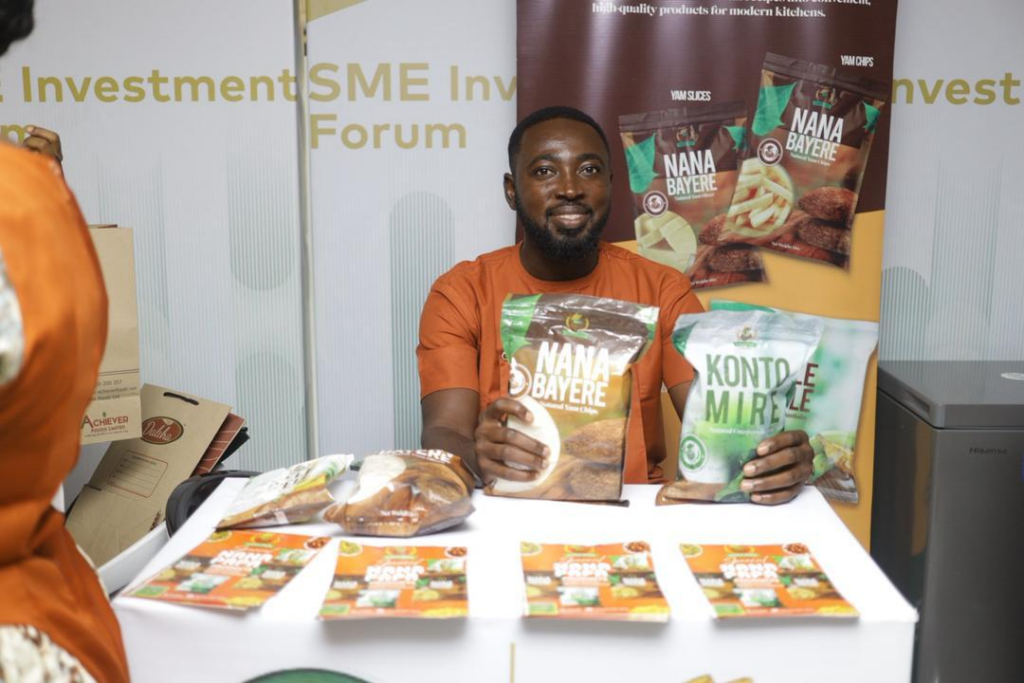
The event brings together 40 vetted nutrition and agrifood SMEs seeking to raise at least GH¢25 million in growth and working capital financing from investors, banks, venture capital firms, private equity funds, and development finance institutions.
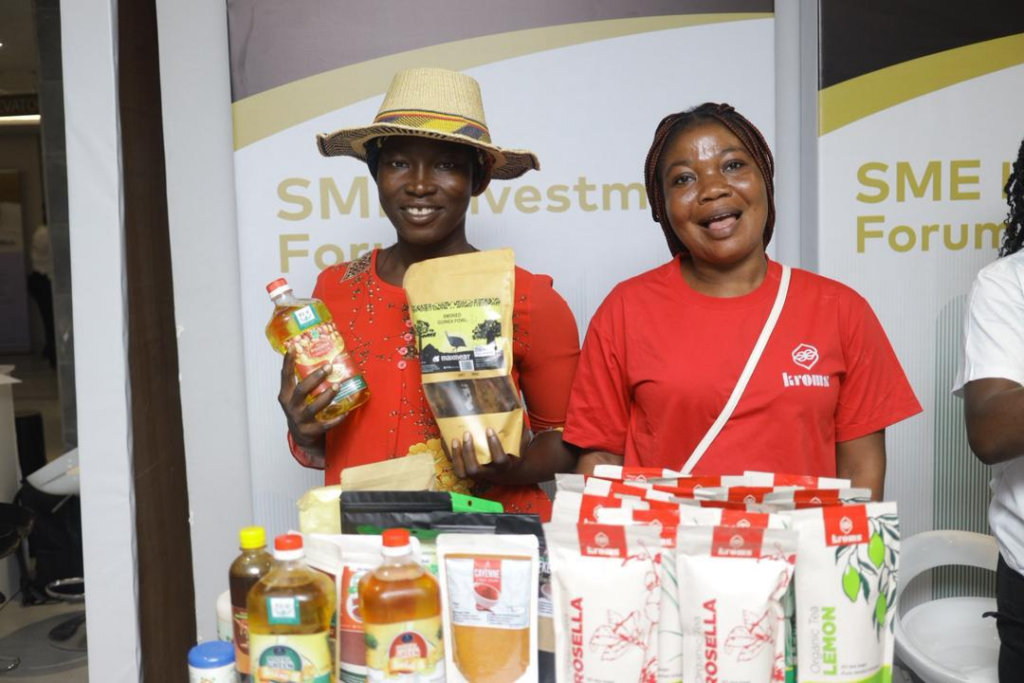
Organisers say the forum is designed not only as a networking platform, but as a deal-focused investment ecosystem intended to support business expansion, youth employment, food security, and sustainable economic growth.
SMEs continue to play a dominant role in Ghana’s economic structure, contributing significantly to employment, manufacturing, and national output.
According to data shared at the forum, SMEs account for roughly 85% of manufacturing employment in Ghana and contribute about 70% to the country’s Gross Domestic Product (GDP).
Despite this economic importance, many businesses continue to struggle to access long-term financing needed for expansion.
Organisers noted that traditional lending models often fail to align with the realities of agribusinesses, where production cycles, climate risks, and seasonal revenue flows create unique financing challenges.
Many SMEs also face high interest rates, stringent collateral requirements, and investor concerns over governance structures and financial transparency.
Founder and Executive Director of Densu Associates, Dolores Dickson, said findings from the programme revealed major financing constraints confronting SMEs across the country.
Speaking during her welcome remarks, she disclosed that less than half of SMEs assessed under the programme had ever received investment support.
“Of those that have received investment, 28% received investment from banks, while less than 11% accessed funding from private equity investors,” she stated.
She stressed that such figures demonstrate the urgent need for structured investment platforms that connect businesses directly with potential investors.
“This is why programmes such as these are important — to create meaningful ways for SMEs and investors to connect while drawing attention to these gaps to help shift the needle at a systems level,” she said.
Ms Dickson revealed that the process of identifying businesses for the forum involved extensive nationwide scouting across several regions.
According to her, the search for qualified SMEs took organisers from Techimentia in the Ahafo Region to Kwatire in the Bono Region and Zebilla in the Upper East Region.
The exercise involved visits to more than 100 SMEs across the country before narrowing the selection to 50 businesses for in-person interviews and finally choosing 40 enterprises for the forum.
She noted that the process highlighted both the resilience of SMEs and the growing entrepreneurial innovation emerging within Ghana’s agrifood value chain.
The selected businesses were also taken through investment readiness training ahead of the forum to strengthen their capacity to engage investors and scale sustainably.
The Nkabom Collaborative says the forum forms part of broader efforts to transform Ghana’s food and nutrition systems through entrepreneurship, innovation, and youth-led enterprise development.
The initiative is being implemented in collaboration with six universities across Ghana and Canada, industry stakeholders, and the Mastercard Foundation.
Together, the partners are working toward supporting 3,000 youth-led SMEs and creating 55,000 jobs for young people between the ages of 15 and 35 over the next seven years.
Organisers say agribusiness remains one of Ghana’s most strategic sectors due to its strong links to job creation, poverty reduction, food security, and rural economic development.
They believe strengthening SMEs within the agriculture and nutrition ecosystem could significantly improve livelihoods while supporting national development goals.
The forum includes several sessions aimed at facilitating direct engagement between businesses and financiers.
One of the key highlights is an investor lightning pitch session where five investors are expected to outline their preferred sectors, risk appetite, investment ticket sizes, and return expectations.
The event also features rapid-fire pitches from selected SMEs seeking financing opportunities.
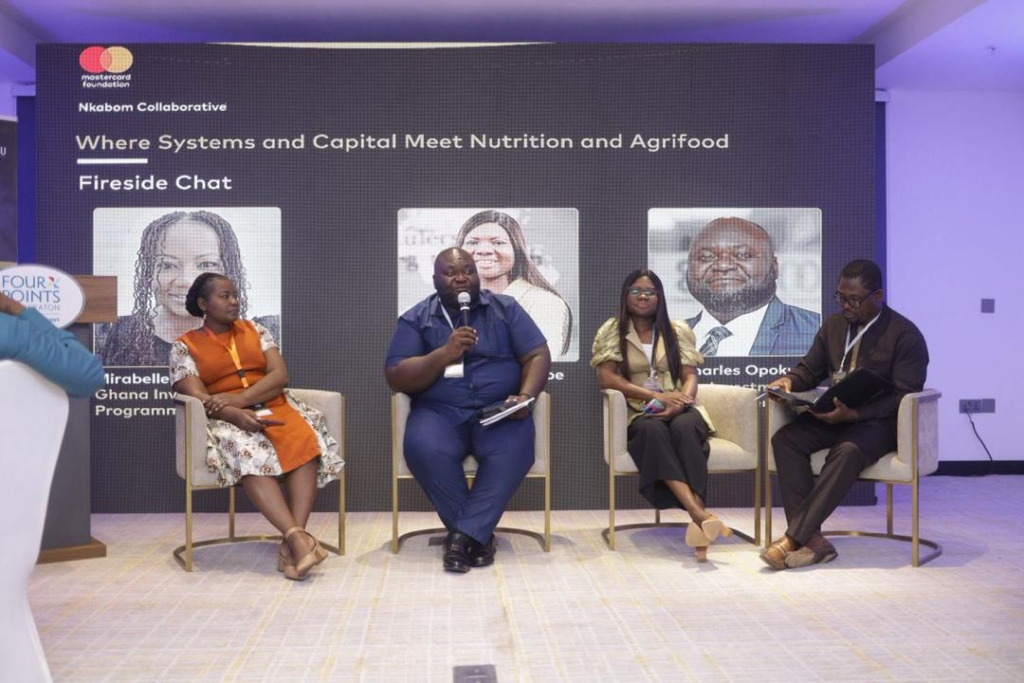
In addition, a fireside discussion titled “Where Systems and Capital Meet Nutrition and Agrifood” is bringing together perspectives from government, investors, and SMEs on the future of agrifood financing in Ghana.
Organisers say the forum is expected to become an annual platform that strengthens long-term collaboration between investors and SMEs operating within agriculture, climate resilience, and the circular economy.
Stakeholders at the forum say one of the major challenges confronting SMEs is the lack of investment readiness, particularly in areas such as governance systems, financial record keeping, and scalable business models.
Investors increasingly demand transparent and reliable financial data before committing capital, especially in sectors perceived as high-risk.
As a result, the forum is placing strong emphasis on helping SMEs become investor-ready while simultaneously creating a curated pipeline of vetted businesses for financiers.
The organisers believe this approach will improve confidence among investors while accelerating capital flows into Ghana’s agrifood sector.
Ultimately, the initiative seeks to strengthen collaboration among SMEs, investors, universities, policymakers, and development partners to build a more resilient and inclusive agrifood economy.
DISCLAIMER: The Views, Comments, Opinions, Contributions and Statements made by Readers and Contributors on this platform do not necessarily represent the views or policy of Multimedia Group Limited.
DISCLAIMER: The Views, Comments, Opinions, Contributions and Statements made by Readers and Contributors on this platform do not necessarily represent the views or policy of Multimedia Group Limited.